Men's clothing is an investment, both financially and in terms of image. Proper care plays a crucial role in ensuring longevity. According to John Smith, a textile care expert, "Taking care of clothes is just as important as choosing them." His insight emphasizes that knowing how to take care of men’s clothes properly can extend the life of any wardrobe.
Understanding fabric types is essential. Cotton may require washing at lower temperatures, while wool needs gentle handling to avoid shrinking. Ignoring these details can lead to premature wear and tear. Additionally, regular maintenance, such as ironing and storing clothes correctly, can prevent unnecessary damage. A neglected shirt often becomes a source of frustration, reflecting poorly on one's appearance.
The reality is that many men overlook these aspects. They might be unaware of how a simple wrinkle or a missing button can affect their professional image. Wearing well-maintained clothing not only boosts confidence but also communicates respect for oneself and others. Being mindful about how to take care of men’s clothes properly is an investment worth making.
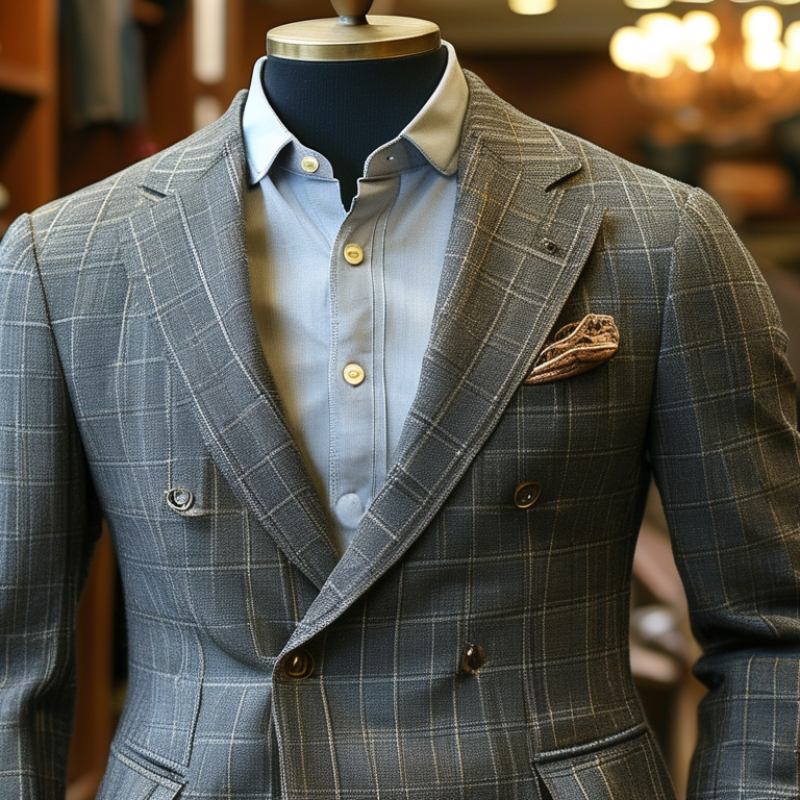
Choosing quality materials is crucial for men's clothing longevity. According to the American Apparel and Footwear Association, garments made from high-quality fabrics tend to last far longer. For instance, shirts crafted from cotton often exhibit twice the lifespan compared to synthetic alternatives. This durability translates into fewer replacements, ultimately benefiting your wallet and the environment.
Natural fibers like wool and cotton are not only breathable but also resilient. Wool, for example, has natural elastic properties. It resists wrinkling and can maintain its shape over time. However, it requires careful handling. Improper washing can lead to shrinking. On the flip side, synthetic fibers can degrade quickly. They may lose color and shape after a few washes, which diminishes their visual appeal.
Investing in quality materials promotes sustainability. The fashion industry produces over 92 million tons of textile waste each year. By choosing long-lasting clothes, consumers can reduce their contribution to this problem. Yet, awareness is crucial. Many are unaware of the true cost of inexpensive clothing. Understanding how fabrics differ can lead to better choices. The impact on personal style and the planet is profound.
Proper cleaning techniques significantly influence the lifespan of men’s garments. A study by the International Fabricare Institute reveals that improper cleaning can reduce a garment's lifespan by up to 30%. Clothes subjected to harsh detergents or incorrect washing temperatures may suffer from fiber damage and color fading. Delicate fabrics require special care. A gentle cycle or handwashing is often recommended for these materials.
Additionally, drying methods play a crucial role. Air drying is often more effective than machine drying, which can shrink and distort the fabric. Research shows that 65% of people use dryers for all their clothes, leading to premature wear. Taking the time to read care labels can prevent costly mistakes. Simple practices like storing garments correctly also make a difference.
Ignoring the importance of appropriate cleaning habits can lead to regret. Many men do not realize that improper care can lead to a shorter life for their favorite items. A survey indicated that 40% of respondents believed that their clothes could last longer with better maintenance. Investing time and effort in proper cleaning can save money and preserve style.
Understanding the impact of various cleaning techniques on the lifespan of men's clothing is crucial. As shown in the chart, dry cleaning tends to extend the lifespan of garments significantly compared to other methods. Gentle washes also provide a reasonable lifespan, while regular washes and neglect lead to reduced durability. Proper care not only enhances longevity but also ensures the garments maintain their appearance and quality over time.
Proper care for men's clothes profoundly impacts their longevity. The way we store and handle apparel can either preserve or destroy the fabric’s quality. For instance, hanging a suit on a metal hanger can lead to shoulder bumps. Instead, opt for broader, padded hangers that support the garment properly.
Humidity is another critical factor. Storing clothes in a damp closet may invite mold and bad odors. Regularly checking humidity levels can help in maintaining a fresh environment. Moreover, using breathable garment bags can protect delicate items from dust and moisture.
Handling clothes with care is essential too. Avoid pulling at threads or yanking zippers. Instead, treat each piece as if it were a delicate work of art. Practicing conscious handling not only maintains the garment’s integrity but also encourages a deeper appreciation for quality clothing. It’s easy to overlook these details; remembering them can make a significant difference in the lifespan of your wardrobe.
When it comes to men’s clothing, the debate between repairing and replacing is crucial. Many often lean toward quick replacements instead of considering repair options. However, repairing can extend the life of a garment, making it sustainable and economical. A small seam can be mended by a tailor, turning a worn piece into a cherished item once more. This process can save money and reduce waste, benefiting both your wallet and the environment.
Additionally, understanding fabric types plays a vital role. Some materials respond better to repairs than others. For instance, wool can be re-knit, while certain synthetics may not hold up. Investing time in learning these nuances pays off. However, it’s easy to overlook proper care. Too many treat their clothes as disposable. A simple wash can turn a crisp shirt into a faded rag.
On the flip side, there are instances where replacing might be more practical. If a garment has structural damage, repair may hinder functionality. Yet, assessing each situation is key. Gaining knowledge about clothing care encourages thoughtful choices. Why not take the time to assess your garments? By embracing a repair mindset, we foster a culture of durability, valuing what we wear.
Taking care of men’s clothing is crucial for longevity. A well-maintained wardrobe enhances appearance and extends the lifespan of garments. According to a survey by a leading wardrobe management organization, over 70% of clothing waste comes from improper care. Proper handling can significantly reduce this waste.
Cultivating a personal care routine can be simple. Start with basic washing techniques that preserve fabric quality. For instance, wash clothes in cold water to prevent shrinking. Also, avoid over-drying. Tips suggest using a clothesline instead of a dryer to maintain shape and color integrity. Investing a few minutes each week on care pays off. Small actions lead to a sustainable wardrobe.
Don’t overlook the importance of timing. Renew your garments with timely repairs. Stitching a loose button or fixing a hem prevents further damage. Studies show that 60% of clothing discarded could have been repaired. Reflect on habits that shorten your clothing’s lifespan. Embrace a mindset of longevity, focusing on quality and care rather than quick trends.
: Quality materials ensure longevity. High-quality fabrics last longer than cheaper options, saving money and reducing waste.
Natural fibers like wool and cotton are more durable and breathable. Synthetic fibers can degrade quickly after washing.
Assess the garment's damage. Small repairs can extend life, while severe damage might require replacement for functionality.
Proper handling, like washing in cold water, prevents shrinking and extends the life of garments significantly.
Use cold water for washing and avoid over-drying. A clothesline is a better choice than a dryer for long-lasting shape.
A care routine prevents clothing waste. Most wasted clothes result from improper maintenance, which can be easily avoided.
Timely repairs, like fixing loose buttons, can prevent further damage. Many clothes discarded could have been easily repaired.
Focus on quality over trends. Embrace repair and care practices that promote longevity in your clothing choices.
Quick replacements contribute to waste. It’s essential to understand the value of repairing instead of discarding garments.
Reflect on your care habits. Make small changes that prioritize longevity, such as avoiding quick fixes and understanding fabric needs.
Proper care of men’s clothes is essential for ensuring longevity and maximizing the lifespan of garments. Quality materials play a significant role, as they need appropriate maintenance to withstand wear and tear over time. Understanding how to take care of men’s clothes properly involves using the correct cleaning techniques, which can dramatically impact the durability of clothing.
In addition to cleaning, the way clothes are stored and handled contributes to their overall quality. Cultivating a personal care routine, including periodic repairs instead of outright replacements, can further enhance wardrobe sustainability. By integrating these practices, men can maintain their apparel in optimal condition, ultimately leading to a more sustainable and cost-effective approach to clothing management.

CLStyle Fashion